

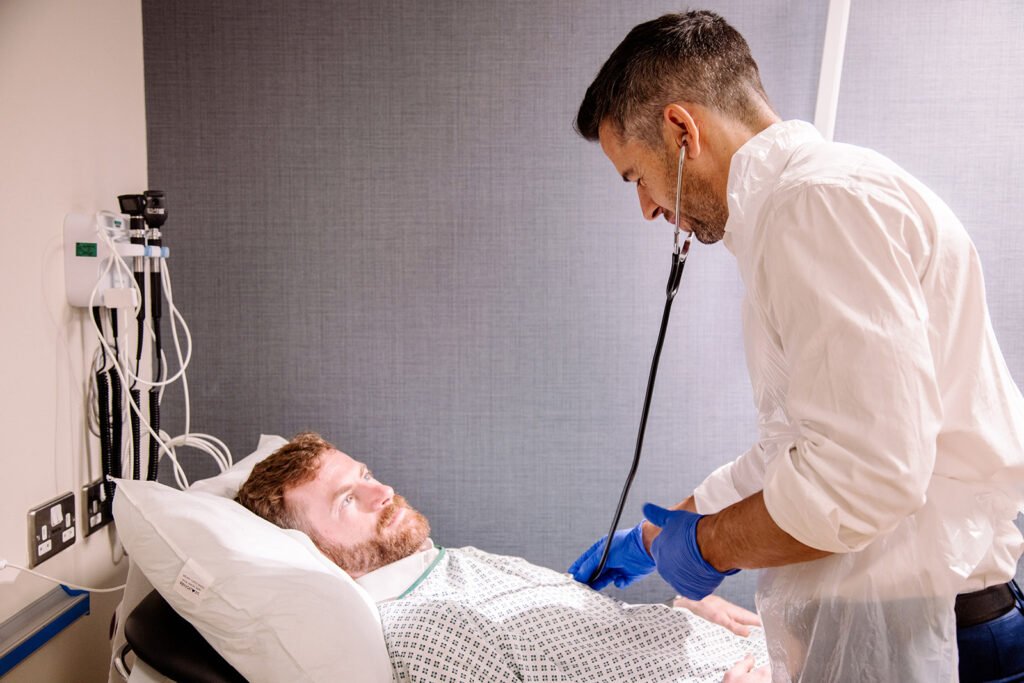
Your Knowledge Could Save Lives
Prostate cancer affects 1 in 8 men in the UK, making it the most common male cancer. Whether you’re a daughter, mother, sister, wife, or partner, your awareness of prostate cancer risk factors could be life-saving for the men in your life. Research shows that women often serve as powerful health advocates for their male relatives, encouraging screening and early detection when treatment is most effective.
The Family Connection You Need to Know
Prostate cancer is highly heritable – up to 60% of risk comes from inherited factors. This means your family’s cancer history provides crucial information about your male relatives’ risk, and knowledge truly is power.
A strong family history carries increased risk: Men with a first-degree relative (father or brother) diagnosed with prostate cancer are 2.5 times more likely to develop the disease. The risk is even greater when multiple relatives are affected or diagnosed young.
The link between breast cancer and prostate cancer: if breast or ovarian cancer runs in your family, your male relatives face increased prostate cancer risk too. The same BRCA1 and BRCA2 gene mutations that cause hereditary breast and ovarian cancer also significantly increase prostate cancer risk in men.
Studies reveal that women with family histories of prostate cancer also have 14% higher breast cancer risk, and this connection goes both ways. If your father, brother, or son has had prostate cancer, this information is relevant for your own breast cancer screening too.
Critical Risk Factors for Your Male Loved Ones
Age remains the primary risk factor: While prostate cancer is rare before age 40, risk increases rapidly after 50, with most cases diagnosed in men over 65.
Ethnicity matters: Black men face twice the risk compared to white men and are more likely to develop aggressive disease at younger ages. As daughters, mothers, and partners of Black men, early advocacy for screening conversations becomes even more crucial.
Genetic factors: Men carrying BRCA2 mutations have 5 times higher prostate cancer risk. Importantly, about 50% of people with faulty BRCA genes have no obvious family history of cancer, making genetic counselling valuable for many families.
Your Role as a Health Advocate
Research demonstrates that family members, particularly women, play crucial roles in encouraging men to seek healthcare. Studies show that 57% of sons and daughters worry about their father’s health several times weekly, yet many avoid discussing it.
You can make a difference: Men often avoid healthcare due to perceived weakness or fear. As their advocate, you can:
- Reframe screening as strength and responsibility rather than vulnerability
- Help gather family history information across both sides of the family
- Encourage conversations between your male relatives and their doctors
- Support attendance at medical appointments
- Connect them with reliable information and support resources
When to Encourage Screening Conversations
Men should discuss prostate cancer screening with their GP if they:
- Are over 50 with average risk
- Are Black men over 45
- Have fathers, brothers, or sons with prostate cancer
- Have female relatives (mothers, sisters, daughters) with breast or ovarian cancer, particularly if BRCA-positive
- Carry known cancer-predisposing gene mutations
- Have multiple cancer cases in the family
Recognising early warning signs together
Most early prostate cancer causes no symptoms, making family awareness of risk factors crucial. However, watch for changes in your male relatives’ habits:
- Frequent urination, especially nighttime
- Difficulty starting or stopping urination
- Weak urine flow or interrupted stream
- Feeling of incomplete bladder emptying
- Blood in urine or semen
- Sudden onset erectile dysfunction
Important: These symptoms more commonly indicate benign prostate enlargement, but any persistent changes warrant medical evaluation.
Supporting Your Male Loved Ones
Creating supportive environments is essential. You can help by:
- Starting conversations early: Don’t wait for symptoms. Discuss family history and screening options proactively
- Being information partners: Research screening options, prepare questions for medical appointments
- Offering practical support: Accompany them to appointments, help navigate healthcare systems
- Providing emotional support: Acknowledge fears while emphasising that early detection improves outcomes
- Connecting with resources: Link them to support groups, educational materials, or specialist services
The Multigenerational Impact
Your advocacy extends across generations. As daughters, you can encourage fathers to seek screening while simultaneously gathering family history information relevant for your brothers, sons, and future male grandchildren. As mothers, sisters, or partners, you’re often the family health historians who maintain crucial medical information.
Sons and daughters of men with prostate cancer need your guidance too. Research shows many adult children want to discuss their father’s diagnosis but feel unsure how to start these conversations.
Why Your Awareness Matters More Than Ever
Men with strong family histories who are aware of their risk have better survival rates – not because their cancers are less aggressive, but because awareness leads to earlier detection and treatment. This “awareness effect” translates directly into lives saved.
Knowledge barriers persist: Many families remain unaware of the breast-prostate cancer connection, meaning crucial risk information gets overlooked. Your understanding of these links could prompt earlier screening discussions that save lives.
Taking Action Today
You don’t need medical expertise – your role is facilitating informed conversations between your male loved ones and healthcare professionals. Start by:
- Gathering family history from both sides of the family, including all cancer types
- Discussing this information with your male relatives
- Encouraging GP consultations for men with multiple risk factors
- Supporting screening decisions while respecting individual choices
- Staying informed about family members’ health updates
The Bottom Line
Prostate cancer is highly treatable when caught early, and your support significantly improves outcomes. Whether you’re advocating for your father, supporting your partner, encouraging your brother, or guiding your son, your awareness and advocacy could be the catalyst that leads to early detection and successful treatment.
The connection between breast and prostate cancer in families means your vigilance protects everyone. By understanding risk factors and encouraging appropriate screening, you become a guardian of your family’s health across generations.
Remember: Your male loved ones may be reluctant to discuss health concerns, but your gentle persistence and support could save their lives. Knowledge truly is power, and sharing that power strengthens your entire family’s health future.